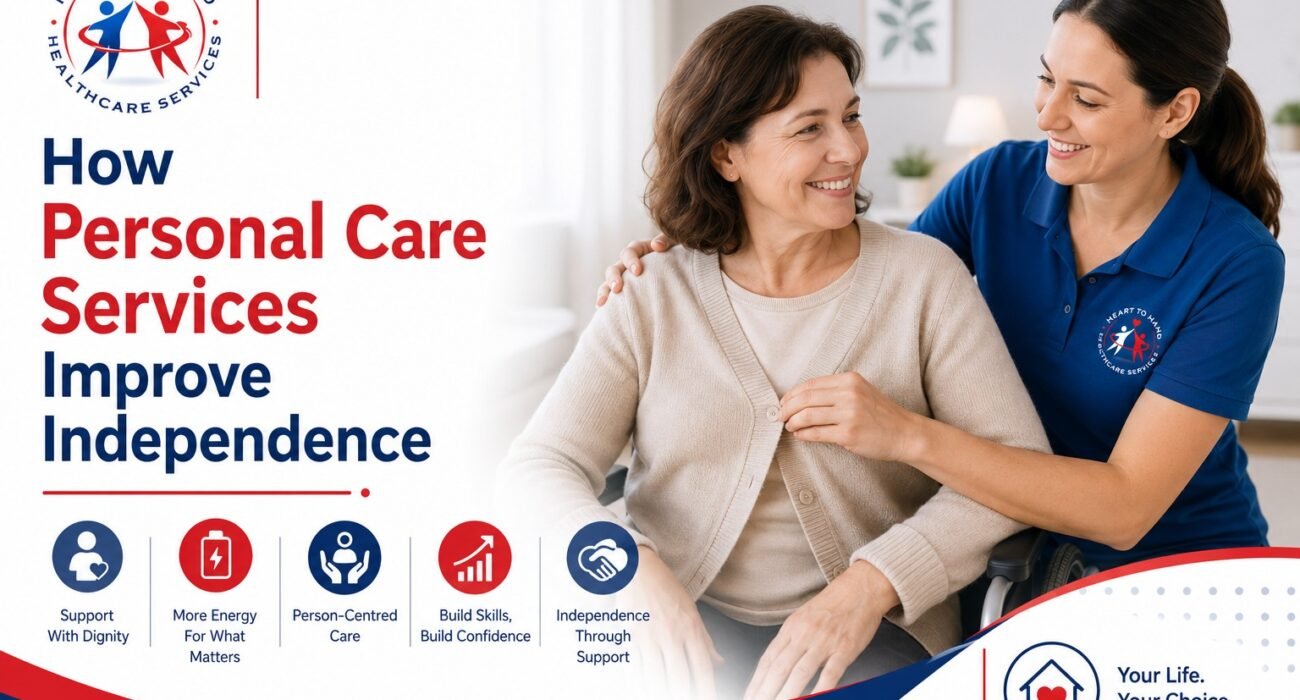
‘Independence’ and ‘personal care support‘ can sound like opposites. If someone is helping you shower, dress, or manage your medication, are you really independent? The answer is yes — and understanding why changes how you think about what personal care support is actually for.
Redefining What Independence Means
Independence doesn’t mean doing everything by yourself. That’s a narrow definition that doesn’t reflect how most people actually live. Everyone depends on others in various ways — for food preparation, for transport, for professional services. That dependence doesn’t make anyone less independent in any meaningful sense.
For people with disability, independence is about having control over your own life. Deciding where you live, how your day is structured, what you eat, who you spend time with, and how you engage with the world around you. Personal care support, when it’s done right, enables that kind of independence by reducing the physical barriers that would otherwise constrain your choices.
What Personal Care Support Includes
Personal care covers a range of daily tasks that you need assistance with due to your disability. This includes showering and hygiene, dressing and grooming, meal preparation and eating assistance, continence management, medication prompting or administration, and mobility assistance — transfers, repositioning, moving around the home or community.
The specific supports depend on what’s in your NDIS plan, what your assessed needs are, and what your treating health professionals have recommended. Personal care is funded under Core Supports and is one of the most commonly funded support types in the NDIS.
Energy and the Hidden Cost of Doing It Alone
One thing that doesn’t get talked about enough is the energy cost of managing personal care without adequate support. For people with conditions that cause fatigue — multiple sclerosis, cerebral palsy, chronic pain conditions, and many others — spending significant energy on morning self-care can leave very little left for the rest of the day.
Personal care support redistributes that energy. When a support worker handles some or all of the physical tasks of getting ready, the person has more energy available for work, relationships, activities, and everything else that makes life meaningful. That’s a real and significant form of independence even if it doesn’t look that way from the outside.
The Importance of Person-Centred Care
How personal care is delivered matters as much as whether it’s delivered. Good personal care support is delivered at the person’s pace, in the way they prefer, with their comfort and dignity central to every interaction.
That means a support worker who explains what they’re doing before they do it, who respects the person’s choices about how they want to be assisted, who maintains privacy and treats the person as a capable adult. It also means continuity — a worker who knows the person well provides better, more comfortable care than an unfamiliar face each session.
Personal care that’s done efficiently but without attention to the person’s experience isn’t good support. It can leave someone feeling managed rather than assisted, which undermines the independence it’s meant to enable.
Building Skills Within Personal Care
For some participants, personal care support includes an element of skill building — developing the person’s ability to do parts of the task themselves over time. This might mean a support worker assisting with part of a dressing routine while the person manages another part independently, with the goal of increasing independence progressively.
This isn’t always possible or appropriate — for some people, needs remain constant or increase over time, and personal care support remains fully necessary. The right balance depends on the individual’s situation, goals, and the recommendations of their treating team. There’s no expectation that every personal care participant should eventually need less support.
Choosing the Right Provider for Personal Care
Because personal care is intimate and personal, the relationship between you and your support worker matters more than in almost any other type of support. It’s worth spending time finding a provider who takes worker matching seriously, who listens to your preferences, and who can offer consistent workers rather than whoever happens to be available.
Ask potential providers how they handle situations where your regular worker is sick. Ask about their induction process for new workers and whether you have input into who works with you. These questions tell you a lot about whether the provider will actually deliver the person-centred care they claim to offer.